
As a self-employed contractor in construction, sooner or later you will come across this: you send an invoice without VAT, with the words 'reverse charge'. This is called the reverse charge scheme. The VAT is not gone, but is paid by your client instead of by you. In this article you read when that applies and what must appear on your invoice.
When do you apply the reverse charge?
The reverse charge scheme applies to subcontracting and the hiring out of personnel. You then do not work directly for the end client, but for another business (the main contractor) that has taken on the work.
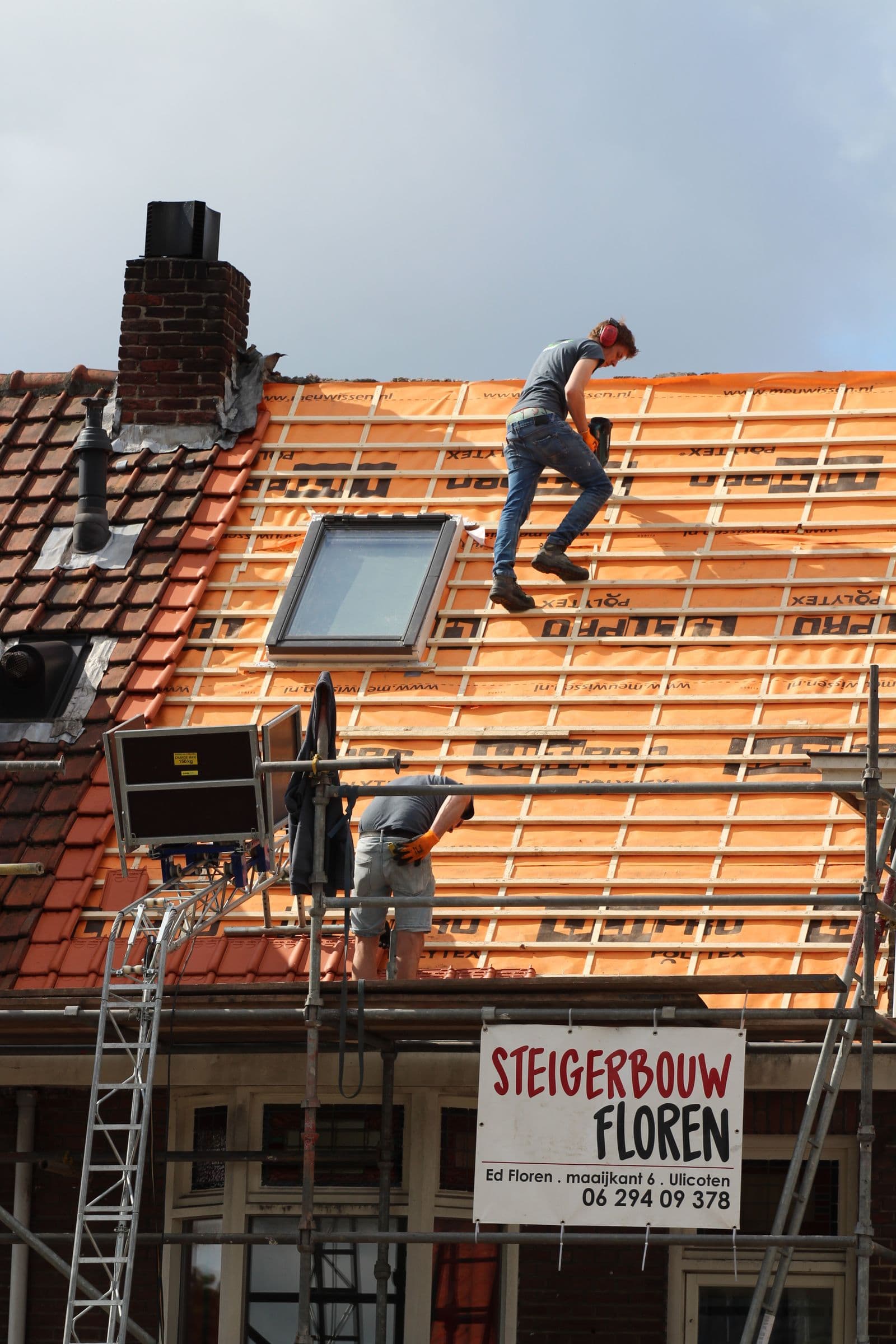
According to the Belastingdienst, the scheme only applies to physical work on immovable property or ships, such as building, demolishing, laying, maintaining, repairing and cleaning. You mainly see this in construction, shipbuilding, at cleaning companies and with gardeners.
When doesn't it apply?
The Belastingdienst lists a few situations in which you do not apply the reverse charge, but charge normal VAT:
- You do design work, such as an architect or draughtsperson. Surveillance and rental also do not fall under it.
- You carry out the work for more than half in your own workshop.
- You work on a product you have sold yourself and the installation is secondary to that sale (for example doors from stock, including hanging them).
- You work directly for the end client, such as a private individual having their bathroom renovated. Then there is no subcontracting.
What goes on your invoice?
If you apply the reverse charge to another business, you do not charge VAT. On the invoice you write 'reverse charge' and the VAT identification number of your client (the number with the country code in front, for example NL). You state the fee per VAT rate as it would apply if the VAT were not reversed.
In addition, the usual invoice requirements apply: your name and address and those of your client, your own VAT ID, your KVK number, the invoice date, a unique invoice number, a description of the work and the date of delivery.
Please note: the Belastingdienst must be able to establish who your client is. If that is unclear, you have applied the scheme wrongly and the VAT can still be collected from you. A valid VAT number of your client on the invoice is therefore important.
And in your VAT return?
If you have applied the reverse charge to a Dutch client, you enter that turnover under box 1e. Your client reports the reverse-charged VAT under box 2 and is usually able to deduct it again, so that in net terms he pays nothing.
If you are unsure about a specific situation, ask the Belastingdienst or your accountant. This article is an explanation, not tax advice.